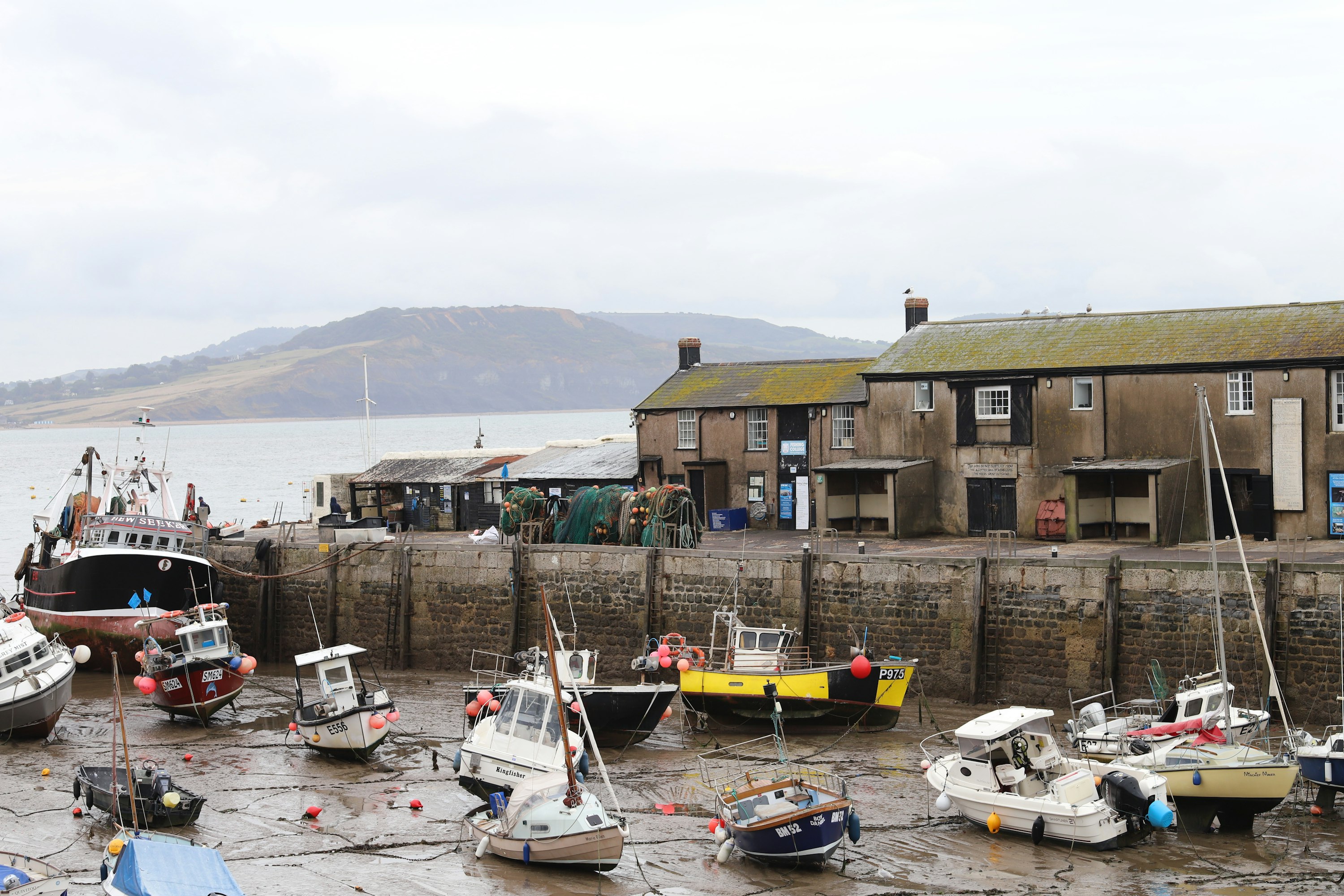
Dar es Salaam — "Haven of Peace" in Arabic — is Tanzania's largest city and commercial capital, a sprawling, warm, and irrepressibly lively port city on the Indian Ocean coast. It is less polished than Nairobi and less touristic than Zanzibar, which is precisely its appeal: this is East Africa as it is actually lived, a city of genuine Swahili culture, extraordinary seafood, a slow-moving harbour life, and a soundtrack of bongo flava and taarab music drifting over the palm-lined streets.
- Suggested duration: 2–4 days
- Best time to visit: June to September
- Budget: Budget to mid-range: $50–$110/day
Dar es Salaam doesn't try to impress you with grand monuments or manicured attractions. It impresses you with its people: the fishermen sorting their catch at Kivukoni Fish Market at 5am, the dhow builders working by hand in the harbour, the families eating mishkaki on the beach at Coco Beach as the sun goes down over the Indian Ocean. Come to Dar looking for authenticity, and you'll find it at every corner.
Top Experiences & Highlights
Dar's pleasures are largely sensory and social rather than monument-based. The city rewards those who slow down, eat local, and take the ferry to the outlying islands for a taste of paradise just 20 minutes offshore.
- Visit Kivukoni Fish Market at dawn to watch the night's catch come in — tuna, kingfish, octopus, and crab unloaded from outrigger dhows as the city wakes up around you
- Take the ferry to Bongoyo or Mbudya islands — uninhabited marine reserve islands 20 minutes from the city with pristine beaches, snorkelling, and a simple beach bar
- Spend an evening at Coco Beach watching Dar's social heart beat — families, couples, food vendors, and musicians gather here every evening for one of East Africa's great free entertainments
- Wander the Asian Quarter around Kariakoo Market, where the city's Indian-influenced architecture and bustling market streets give a vivid sense of Dar's trading heritage
Culture & History
Founded by the Sultan of Zanzibar in 1866, Dar es Salaam grew rapidly under German and then British colonial rule into the commercial capital of what is now Tanzania. Its Swahili culture — a blend of Bantu African, Arab, Indian, and Portuguese influences — is one of the richest on the East African coast, and the city's museums and architecture tell that layered story well.
- The National Museum and House of Culture holds the country's most important archaeological and historical collections, including the famous hominid skull fossils from Olduvai Gorge
- The Village Museum on the northern edge of the city recreates traditional homesteads from across Tanzania's many ethnic groups — an excellent overview of the country's extraordinary cultural diversity
- Karimjee Hall and the old German Boma (now the State House) are reminders of the colonial layers that shaped the city's built environment
- Kariakoo Market — a sensory explosion of produce, spices, fabrics, and electronics — is the beating commercial heart of the real Dar, far from the tourist trail
Food & Cuisine
Dar es Salaam eats extraordinarily well for a city of its relative tourist infrastructure. Swahili coastal cooking here is the real thing: coconut milk rice, grilled fish straight off the dhow, octopus curries, and sugarcane juice sold from carts on every corner. The city's Indian heritage also produces excellent biryanis and samosas.
- Grilled mishkaki (beef or chicken skewers) with kachumbari salad and ugali is the quintessential Dar street food experience — best eaten at a roadside grill after dark
- Urojo — a complex Zanzibari soup of lentils, potatoes, bhajia, and tamarind — is found at good Swahili restaurants across the city
- Fresh grilled lobster, prawns, and whole fish at the beachside restaurants of Masaki and Oyster Bay cost a fraction of equivalent quality elsewhere
- Indian restaurants in the Upanga and Oyster Bay areas produce some of the best biryanis and butter chicken in East Africa, a legacy of Dar's substantial Indian community
Best Neighbourhoods & Areas
Dar es Salaam is a large, low-density city where neighbourhoods have very distinct characters. Traffic can be severe, so choosing accommodation close to your key areas of interest matters.
- Masaki & Oyster Bay — the upmarket peninsula north of the city centre, with the best restaurants, boutique hotels, and beach access; the most comfortable base for visitors
- City Centre / Kivukoni — convenient for the National Museum, ferry terminal, and Fish Market; busier and more urban but with character-filled older hotels
- Kariakoo — the authentic working-class heart of the city, best visited on a guided walk for its market and street life
- Mikocheni — a quieter residential area between the centre and Masaki, popular with NGO workers and offering good mid-range guesthouses
Practical Tips
Dar es Salaam is Tanzania's transport hub, making it the natural gateway for trips to Zanzibar, Kilimanjaro, and the southern safari circuit. Build in enough time to explore the city itself — most travellers who give it two or three days leave wishing they had stayed longer.
- The Zanzibar ferry departs from the Kilindoni terminal near Kivukoni — book tickets the day before for the popular morning crossings
- Traffic in Dar can be severe, particularly on the main Nyerere Road and Bagamoyo Road corridors — allow double the expected journey time during rush hours
- Dar is hot and humid year-round; the long rains (March–May) and short rains (November) bring heavy downpours and can affect ferry services
- The BRT (Bus Rapid Transit) system running along Morogoro Road is an efficient, safe, and cheap way to travel between the centre and western suburbs