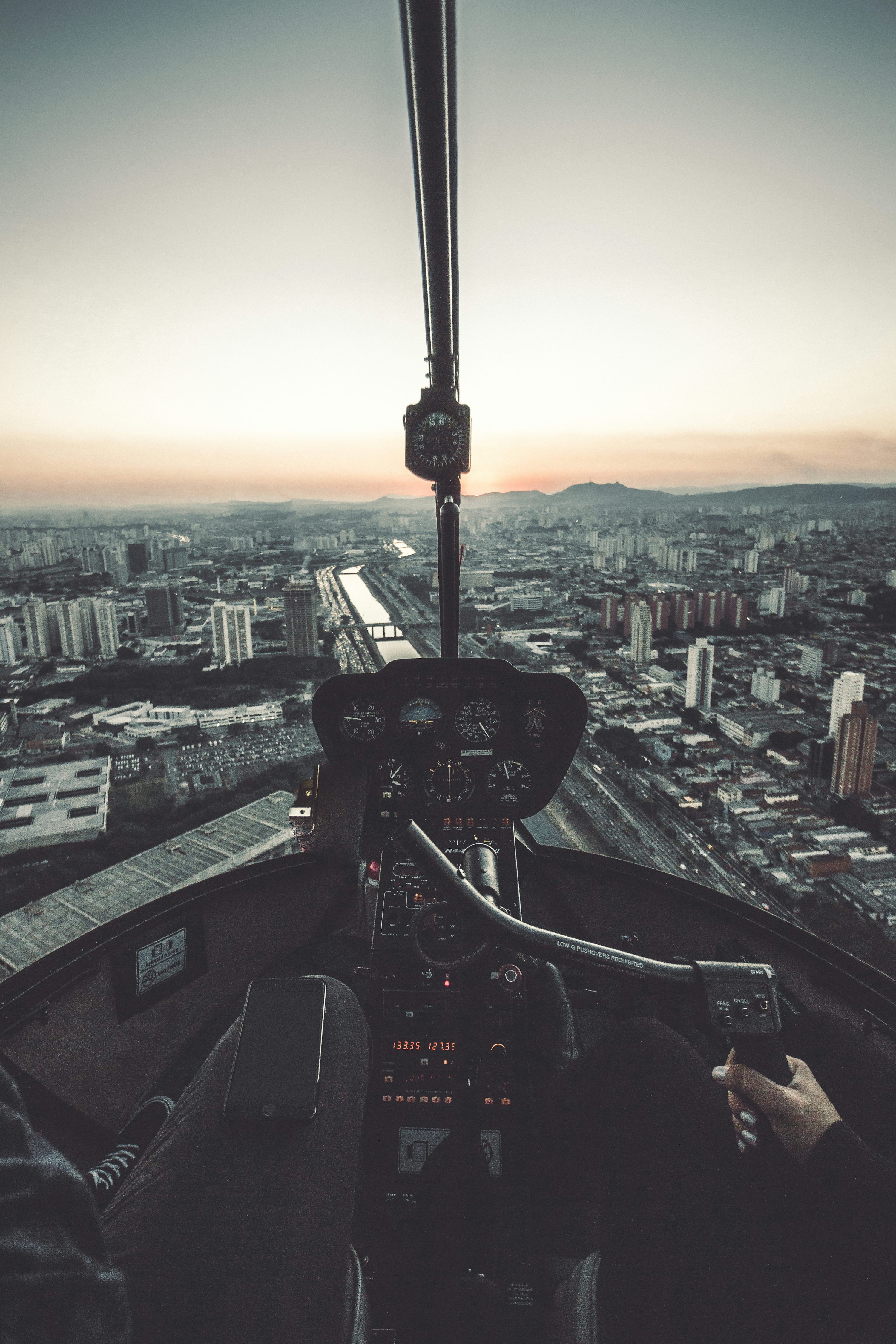
São Paulo is a city that never sits still. Home to over 12 million people and the beating economic heart of Brazil, it rewards curious travellers with an astonishing restaurant scene, acclaimed art museums, sprawling street-art districts, and a nightlife culture that genuinely earns its reputation as one of the best on the planet. Come ready to eat, explore, and be surprised at every turn.
- Suggested duration: 4–6 days
- Best time to visit: March to May and September to November
- Budget: Mid-range: $80–$150/day
Few cities on earth pack as much energy, ambition, and sheer cultural variety into a single skyline as São Paulo. This is Brazil's financial engine and its culinary capital — a place where you can eat omakase sushi prepared by a third-generation Japanese-Brazilian chef, stumble into a free outdoor concert in Ibirapuera Park, and end the night dancing until sunrise at a club in Pinheiros. It's overwhelming in the best possible way.
Top Experiences & Highlights
São Paulo rewards travellers who embrace its urban energy rather than fighting it. The city's highlights are spread across dozens of neighbourhoods, so give yourself time to drift between them at street level.
- MASP on Paulista Avenue: The Museu de Arte de São Paulo is one of the great art museums of the Americas, its iconic red-framed building hovering above the city's most famous boulevard. The permanent collection spans Raphael to Portinari, and the Tuesday free-entry day draws Paulistanos of every background.
- Ibirapuera Park: São Paulo's answer to Central Park, and much more than a green escape. The park houses the MAC museum of contemporary art, an acclaimed Japanese Pavilion, an open-air auditorium, and kilometre after kilometre of cycling paths busy with the city in motion.
- Vila Madalena street art: The Beco do Batman alley and the surrounding neighbourhood form one of Latin America's most photographed open-air galleries. New murals appear constantly, and the neighbourhood's bars and independent boutiques make for a full half-day of wandering.
- Pinacoteca do Estado: Housed in a stunning late-19th-century building near Luz station, the Pinacoteca holds the finest collection of Brazilian art anywhere in the world — essential context for understanding the country.
Culture & History
São Paulo was built by waves of immigrants — Italian, Japanese, Lebanese, Spanish, German, and countless others — and that layered heritage is visible everywhere, from the architecture of the historic Liberdade district to the surnames on the menus of its restaurants. It's a city without a single dominant identity, which is precisely what makes it so fascinating.
- Liberdade: The heart of Brazil's Japanese community, with a weekend street market, excellent ramen shops, and a neighbourhood atmosphere unlike anywhere else in South America.
- Museu da Língua Portuguesa: An unexpectedly moving experience inside the beautiful Estação da Luz railway station, charting the story of the Portuguese language through interactive installations.
- Theatro Municipal: This Belle Époque opera house on Praça Ramos de Azevedo is a reminder that São Paulo's early 20th-century coffee barons had extravagant taste — free guided tours run on Saturdays.
- Memorial da América Latina: Oscar Niemeyer's monumental complex in Barra Funda is a striking piece of architecture housing permanent exhibitions on Latin American culture and politics.
Food & Cuisine
Eating in São Paulo is a serious undertaking. The city has more restaurants per capita than New York and a food culture that draws chefs from across Brazil and the world. From markets open at dawn to tasting menus that last four hours, the range is staggering.
- Mercadão (Mercado Municipal): The cathedral-like municipal market is the best single stop in the city for understanding São Paulo's food culture — its stained-glass windows, towering spice stalls, and legendary mortadella sandwiches are unmissable.
- Japanese-Brazilian cuisine: São Paulo has the largest Japanese diaspora community outside Japan, and its sushi, temaki, and izakaya scene is genuinely world-class. The restaurants in Liberdade and Pinheiros are a revelation.
- Churrascaria rodízio: All-you-can-eat Brazilian barbecue at its most theatrical — waiters circulate continuously with skewers of perfectly grilled meats. Fogo de Chão started here, but the neighbourhood spots are often better.
- High-end dining: São Paulo regularly features on the World's 50 Best Restaurants list. Chefs like Alex Atala (D.O.M.) have put Brazilian ingredients — tucupi, jambu, cupuaçu — on the global fine-dining map.
Best Areas & Neighbourhoods
São Paulo is a city of distinct villages stitched together by an endless grid. Where you base yourself shapes your entire experience, so it's worth understanding the key neighbourhoods before you arrive.
- Jardins & Itaim Bibi: The smartest, most comfortable area for first-time visitors — well-lit streets, excellent hotels, top restaurants, and easy access to Paulista Avenue. Vila Nova Conceição and Jardim Europa are the quieter, leafier sub-pockets.
- Pinheiros & Vila Madalena: The creative heartland, home to independent bookshops, concept stores, natural wine bars, and the city's best live music venues. The atmosphere shifts neighbourhood-block by block in the most satisfying way.
- Moema: A residential neighbourhood bordering Ibirapuera Park — relaxed, very liveable, and full of neighbourhood restaurants that real Paulistanos actually frequent.
- Centro Histórico: Gritty and exhilarating in equal measure, the historic centre rewards those willing to explore it — the viaduct graffiti scene, the iconic Copan building, and the atmosphere of a city that was built too fast and never stopped.
Practical Tips
São Paulo has a reputation that puts some travellers off, but with a little preparation it's an entirely manageable and deeply rewarding destination. The key is understanding how the city works rather than trying to fight it.
- Getting around: The Metro is clean, safe, and efficient — use it between major neighbourhoods and take taxis or ride-shares (99 and Uber both work well) for the last mile. Avoid driving in rush hour at all costs.
- Weather: São Paulo sits at altitude (760 m) so temperatures are moderate year-round — roughly 15–28°C. The rainy season from December to February brings afternoon downpours; March to May and September to November offer the most reliable weather.
- Safety: Exercise normal big-city vigilance — keep phones out of sight on the street, use ATMs inside banks or shopping malls, and trust your instincts about where you're walking after dark. Stick to well-touristed neighbourhoods especially in the evenings.
- Language: Portuguese, not Spanish. A few basic phrases go a very long way — Paulistanos warm noticeably to any visitor who makes the effort.