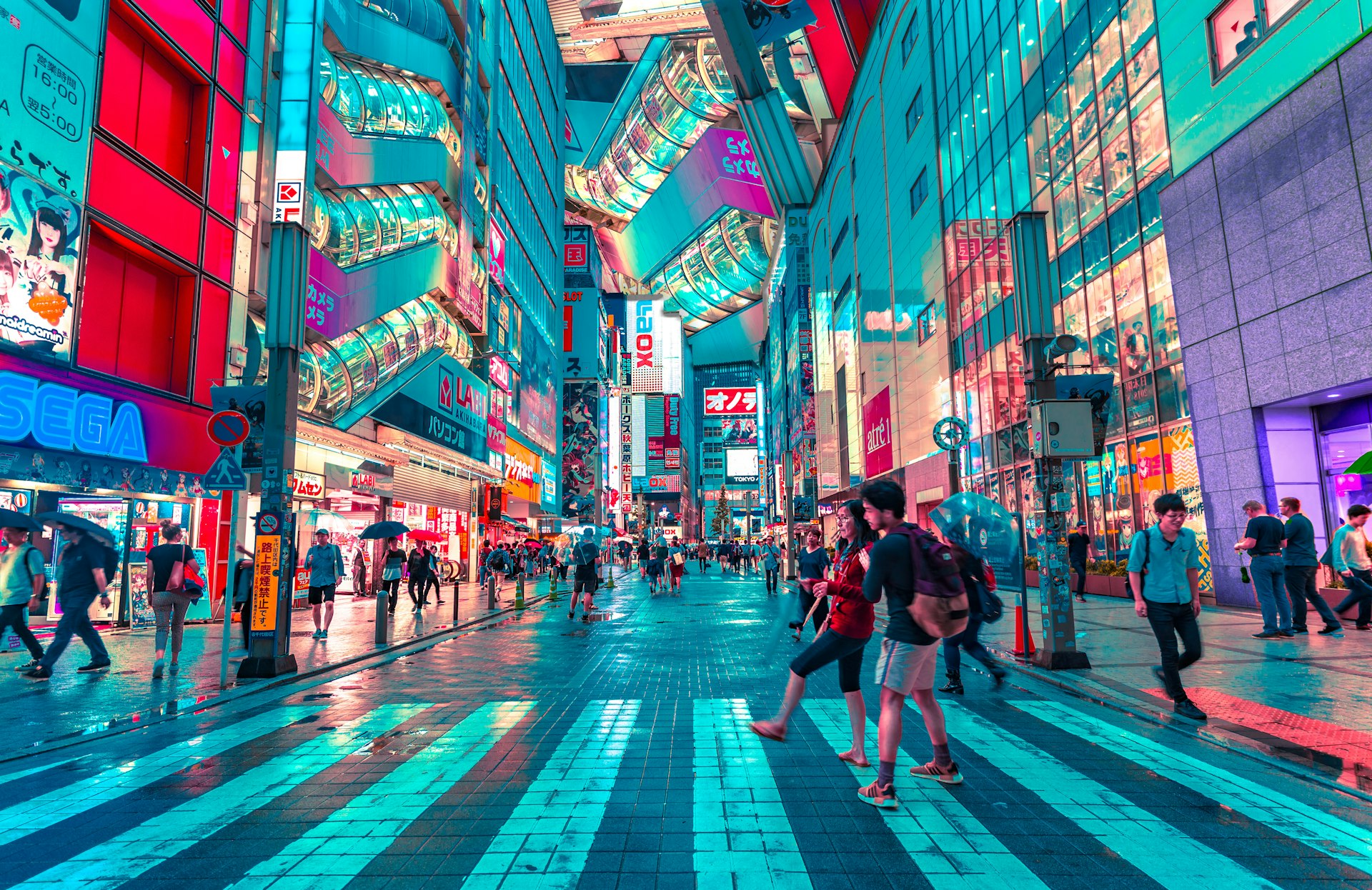
Tokyo is the world's largest city and its most endlessly surprising — a place where a three-star sushi counter occupies a basement next to a centuries-old Shinto shrine, and where every neighbourhood reveals an entirely different city within the city.
- Suggested duration: 3–5 days
- Best time to visit: Mar–Apr & Oct–Nov
- Budget: $$$
Tokyo defies every preconception you bring to it. The city is simultaneously ancient and futuristic, frenetic and deeply serene, overwhelming in scale and yet meticulously ordered at every human level. It has more Michelin-starred restaurants than any other city on earth, a subway system of almost supernatural precision, and the peculiar quality — rare in great cities — of making visitors feel immediately safe and quietly welcome. Arrive with an open schedule, comfortable shoes, and a willingness to follow curiosity down whatever narrow alleyway presents itself.
The Neighbourhoods: A City of Villages
Understanding Tokyo begins with understanding that it is not one city but thirty, each with its own character and social register. Shibuya is kinetic energy made visible — the famous scramble crossing, department stores stacked seventeen floors high, cocktail bars hidden in unmarked buildings. Ginza is the city at its most refined: art galleries, couture boutiques, and the kind of sushi restaurants where the chef trained for a decade before being permitted to season the rice. Yanaka, in the northeast, is old Tokyo preserved almost intact — wooden houses, neighbourhood cats, a temple cemetery that doubles as the most peaceful park in the city.
- Shinjuku: The greatest concentration of bars per square kilometre on earth; the Golden Gai alleyways hold over 200 tiny bars, each seating eight
- Harajuku: Takeshita Street for youth fashion theatre; Omotesando for serious architecture and slow coffee
- Asakusa: Senso-ji temple, the city's oldest, surrounded by craft shops and rickshaw pullers
Eating Tokyo
No city on earth takes food more seriously. Tokyo's restaurant culture operates at every price point with equal dedication — the ramen shop that has served the same recipe since 1946 is as worthy of reverence as the omakase counter where the chef trained under a legend. The Tsukiji Outer Market, still functioning after the inner wholesale market moved to Toyosu, offers the finest breakfast in the city: sea urchin, fatty tuna, and tamagoyaki in the open air at 7am. The depachika — the food halls in the basements of department stores such as Isetan in Shinjuku — are a form of edible theatre, staffed by artisans in white gloves presenting perfectly wrapped confections as if they were objects of great consequence, which in Tokyo they are.
Culture and Collections
Tokyo's museum culture is serious and often spectacular. The Tokyo National Museum in Ueno holds the world's largest collection of Japanese art, including national treasures spanning sculpture, ceramics, lacquerwork, and samurai armour. TeamLab Borderless (now relocated to Azabudai Hills) offers a more contemporary form of wonder: immersive digital art installations that blur the boundary between the visitor and the work. The Mori Art Museum, sixty storeys above Roppongi, combines world-class contemporary exhibitions with arguably the finest panoramic view of the city.
- Day trip: Nikko, two hours north — the Tosho-gu shrine complex is among Japan's most elaborate architectural achievements
- Day trip: Hakone for Mount Fuji views, ryokan onsen, and the Pola Museum of Art
- Day trip: Kamakura for the Great Buddha and seaside temple trails
Staying Well in Tokyo
Tokyo's luxury hotel scene has transformed dramatically in the past decade. The Aman Tokyo, in the upper floors of Otemachi Tower, combines Japanese aesthetics with views across the Imperial Palace gardens that feel almost proprietary. The Peninsula overlooks Hibiya Park with a formality that suits Ginza perfectly. For something more intimate, the Hoshinoya Tokyo brings genuine ryokan culture — private hot spring baths, seasonal kaiseki, yukata robes — to the heart of the financial district. Book well in advance for spring blossom season and autumn foliage, when the city fills to capacity and the best restaurants operate long waiting lists.