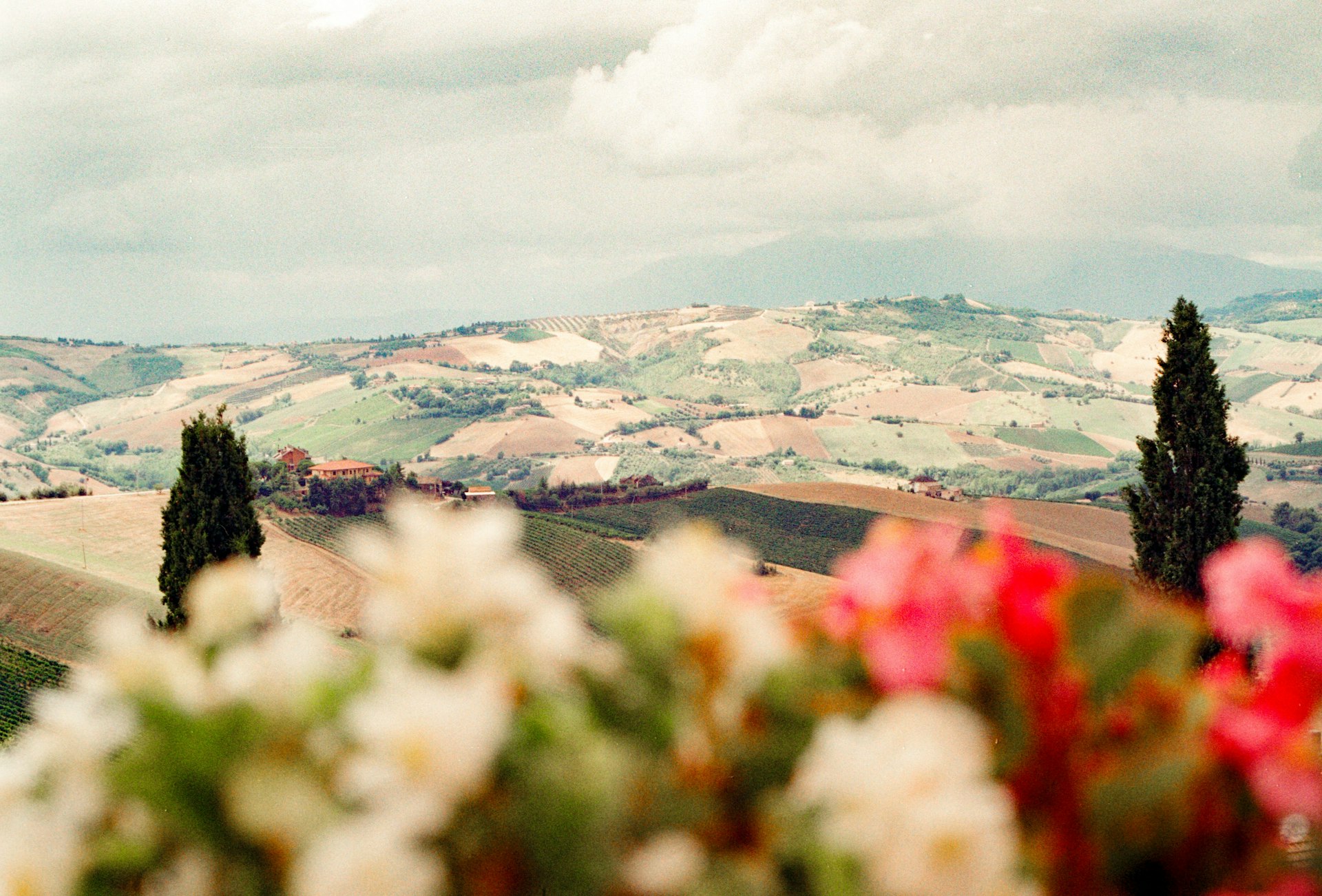
Tuscany is Italy distilled — rolling hills stitched with vineyards, medieval hilltowns rising from cypress-lined roads, wine estates that have been pressing the same harvest since the Medici, and a table culture that turns every lunch into a long, luminous afternoon.
- Suggested duration: 5–8 days
- Best time to visit: Apr–Jun & Sep–Oct
- Budget: $$$
There is a reason Tuscany appears on more bucket lists than almost anywhere else in the world, and it is not simply the wine, though the wine is exceptional. It is the way the landscape seems to have been arranged by an artist with an unerring sense of composition: the soft hills of the Val d'Orcia, the geometric severity of the cypress alleys, the warm stone of a fortified hilltown catching the last light of afternoon. Tuscany is Italy at its most self-consciously beautiful, and it earns every superlative — particularly when approached slowly, by car, with no fixed agenda and a good map of the wine roads.
The Hilltowns
Tuscany's medieval hilltowns are its defining human element — each one a different character, each worth at least an afternoon. Siena, the great medieval rival to Florence, is built around the extraordinary shell-shaped Piazza del Campo, where the Palio horse race has been run twice a year since 1310. San Gimignano, the town of towers, gives a vivid sense of medieval urban ambition. Montalcino, perched high in the hills south of Siena, is the home of Brunello — one of Italy's most powerful and age-worthy red wines. Pienza, the Renaissance ideal city built by a pope in the 1460s, is today a UNESCO World Heritage site and a centre of exceptional pecorino production. Montepulciano, Cortona, Volterra: the list extends almost indefinitely, each town its own world.
Wine Country
Tuscany produces some of the world's most revered wines, and a journey through its wine roads is among the great sensory pleasures in travel. The Chianti Classico zone, between Florence and Siena, is a landscape of ancient estates producing the Sangiovese-based wine that has defined Tuscan viticulture for centuries. Further south, the Montalcino hills yield Brunello, a wine of extraordinary concentration and longevity. Montepulciano's Vino Nobile, the Bolgheri coast's Sassicaia and Ornellaia, the Super Tuscans of Maremma: this is a region where wine tourism reaches its most refined expression, with private vineyard tours, vertical tastings in historic cellars, and harvest experiences that connect you directly to the agricultural rhythms of the land.
- Chianti Classico: The heartland of Tuscan wine, between Florence and Siena
- Brunello di Montalcino: One of Italy's greatest red wines, best tasted at the estate
- Vernaccia di San Gimignano: Tuscany's finest white, crisp and mineral
- Vin Santo: The amber dessert wine, best served with almond cantucci
The Val d'Orcia
The Val d'Orcia, a UNESCO World Heritage landscape in southern Tuscany, is what most people picture when they think of the region: the great rolling hills dotted with isolated farmhouses, the long cypress-lined avenues, the pale clay soil that turns golden in the afternoon sun. This is not wilderness but carefully tended agricultural land, shaped by centuries of human habitation into something that looks, impossibly, like the background of a Renaissance painting — because it was. Drive slowly. Stop often. The agriturismi (working farm stays) in this valley offer some of the most intimate and authentic accommodation in all of Italy.
The Tuscan Table
Tuscan food is the foundation of the Italian culinary tradition that the rest of the world calls Italian food — and it is best encountered not in restaurant dining rooms but at a long table on a farmhouse terrace, with a carafe of house Chianti and no particular reason to hurry. Ribollita (the twice-cooked bread and vegetable soup), pappardelle with wild boar ragù, bistecca fiorentina, the extraordinary simplicity of pici cacio e pepe: Tuscan cooking trusts its ingredients utterly, and the ingredients — the olive oil pressed in November, the pork from the cinta senese pig, the black truffle from San Miniato — are among the finest in Europe. The best Tuscan meal you will ever have may well be the simplest one.