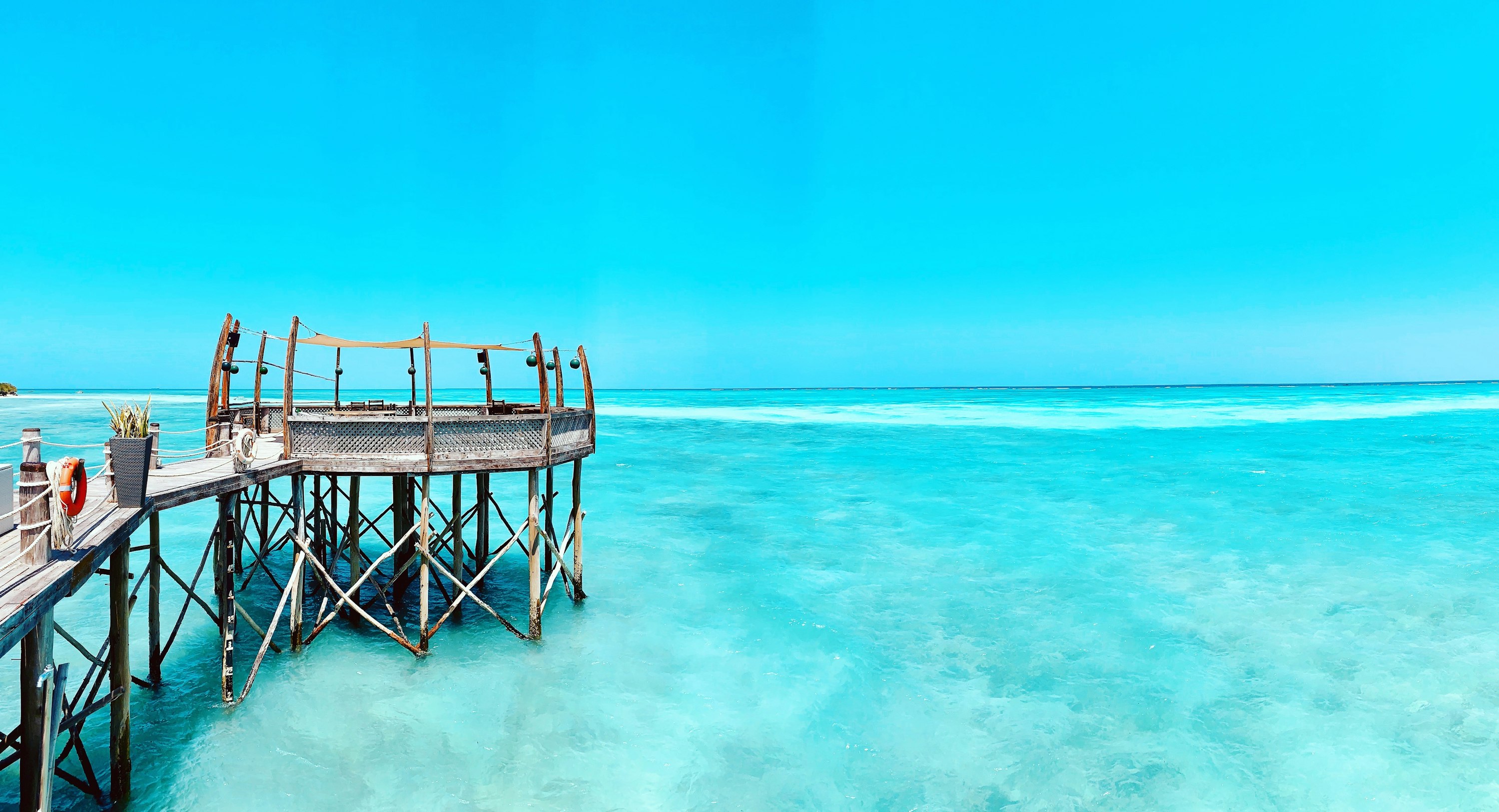
Zanzibar is one of those places that ruins you for ordinary beaches. The Indian Ocean here is an impossible shade of turquoise, the sand is fine as powder, and the water is so warm it feels like stepping into a bath. But Zanzibar is far more than a beach destination: its ancient Stone Town is a labyrinth of carved doors, Arab merchants' palaces, and the lingering ghosts of a brutal spice and slave trade that shaped the entire East African coast.
- Suggested duration: 5–8 days
- Best time to visit: June to October
- Budget: Mid-range to luxury: $100–$300/day
Getting off the ferry in Stone Town and walking into Zanzibar's labyrinthine old city is one of the most disorienting and wonderful arrivals in African travel. The air smells of cloves and cardamom. The alleyways are so narrow that motorbikes scrape the carved doorways. Cats sleep in shafts of golden light. And everywhere, the layers of Swahili, Arab, Persian, Portuguese, and British history press in on you. This is an island that rewards slow, deep exploration.
Top Experiences & Highlights
Zanzibar's appeal is the rare combination of world-class beach relaxation with genuine cultural depth. Most visitors come for the beaches and stay for Stone Town — or vice versa. The island has enough to fill two very different kinds of holiday.
- Explore Stone Town on foot without a map — get happily lost in the alleyways, stumble upon the old slave market, and discover carved doorways that are masterpieces of Indian Ocean craftsmanship
- Snorkel or dive the pristine coral reefs around Mnemba Atoll, home to dolphins, sea turtles, and an extraordinary array of reef fish
- Take a spice farm tour in the island's lush interior, where cloves, vanilla, nutmeg, and cinnamon have been cultivated for centuries
- Swim with whale sharks off the northwest coast between October and February — one of the most extraordinary wildlife encounters available anywhere
Culture & History
Zanzibar's history is inseparable from the Indian Ocean trade routes that brought Arab merchants, Persian settlers, Indian traders, and ultimately European colonisers to its shores. For centuries the island was the hub of the East African slave trade — a history that is confronted honestly and movingly in Stone Town's museums and memorials.
- The Anglican Cathedral in Stone Town was built on the site of the last great slave market in the British Empire — the altar stands where the whipping post stood; a visit is essential
- The Palace Museum (Beit al-Sahel) traces the history of the Sultanate of Zanzibar, the Arab dynasty that ruled the island until the 1964 revolution
- Visit the Old Fort (Ngome Kongwe), dating to the 1700s, which now hosts an excellent craft market and occasional cultural performances
- Freddie Mercury, born Farrokh Bulsara, was born in Stone Town in 1946 — a small but atmospheric museum celebrates the Queen frontman's Zanzibari origins
Food & Cuisine
Zanzibari cuisine is one of the most distinctive in East Africa — a Swahili fusion of African, Arab, Indian, and Portuguese influences that produces dishes of extraordinary complexity and warmth. The evening food market at Forodhani Gardens is one of the great street food experiences in Africa.
- Zanzibar pizza — a street-food specialty quite unlike any pizza you know, a thin dough stuffed with meat, egg, cheese, and vegetables and folded into a parcel — is the must-eat at Forodhani Gardens
- Urojo (Zanzibar mix) is a complex, tamarind-laced soup of chickpeas, coconut, lentils, bhajia, and boiled egg — a street food unlike anything else
- Fresh grilled lobster on the beach at Nungwi or Kendwa costs a fraction of what it would anywhere in Europe — order it at sunset
- Spice tea (chai) blended with fresh cloves, cardamom, and ginger from the island's own farms is the perfect way to end every day in Stone Town
Best Neighbourhoods & Areas
Zanzibar's geography naturally divides between Stone Town (culture, history, restaurants) and the beach villages of the north and east (relaxation, diving, water sports). Most visitors split their time between the two.
- Stone Town — the UNESCO-listed heart of Zanzibar, essential for at least 2 nights to do it justice; the best base for cultural exploration
- Nungwi & Kendwa — the northwest tip, with the best beaches for swimming year-round (no seagrass), lively sunset bars, and excellent diving
- Paje & Jambiani — the quieter southeast coast, ideal for kitesurfing and a more laid-back, local atmosphere
- The North & Matemwe — boutique beach lodges with access to Mnemba Atoll and a genuinely peaceful, unhurried ambiance
Practical Tips
Zanzibar is a predominantly Muslim island and is deeply conservative outside the beach resorts. Dressing respectfully in Stone Town is both expected and important — cover up when away from the beach, particularly during Ramadan.
- The long rains (March–May) can make roads impassable and sea conditions rough — avoid this period if possible
- Tides around Zanzibar are dramatic: on the east coast, low tide can expose 200 metres of seagrass flat — check tide tables before choosing your beach hotel
- Hire a local guide for your first Stone Town walk — the alleys are genuinely disorienting and a good guide brings the history alive
- Book accommodation well in advance for the peak July–August period; the island's best small hotels and beach lodges fill months ahead